Best Shipping Container Uses for Your Next Project?
Shipping containers have emerged as a versatile solution for many modern projects. According to a report by MarketsandMarkets, the global shipping container market is projected to reach $9 billion by 2027. This growing demand highlights the usefulness of shipping containers in various sectors.
Their adaptability allows for innovative applications beyond traditional cargo transport. Businesses transform these containers into cafes, offices, and even homes. Statistics from Container Home World indicate an 80% increase in shipping container homes over the past five years. The appeal lies in their affordability, sustainability, and unique aesthetic.
However, using shipping containers does pose challenges. Issues like insulation, ventilation, and structural integrity need close attention. Not every project benefits from this approach. It’s essential to weigh the pros and cons carefully. Potential users must research and reflect before deciding how best to utilize these functional structures.

Exploring Creative Applications of Shipping Containers in Modern Projects
Shipping containers are gaining popularity in various creative projects. Their modular design makes them versatile and adaptable. People are transforming these metal boxes into homes, cafés, and art studios. Imagine a cozy container home nestled in a forest. It's compact yet functional, with multi-purpose spaces. Large windows can bring natural light inside, creating a warm environment.
Containers also serve well in urban settings. They can become pop-up shops or food stalls. Picture a vibrant food market filled with colorful containers, each offering a unique culinary experience. Though these projects sound great, challenges exist. Proper insulation is crucial. Without it, containers can become unbearably hot or cold. Local regulations can also complicate projects, demanding a thorough understanding of zoning laws.
Another interesting application is in community gardens. Shipping containers can provide storage for tools and supplies, helping urban gardening efforts. They can even serve as hydroponic farms in cities. However, these solutions aren't without difficulty. It's vital to consider water drainage and sunlight access. Each project requires careful planning to overcome potential obstacles.
Transforming Shipping Containers into Innovative Living Spaces
Transforming shipping containers into innovative living spaces is gaining popularity. These versatile structures can be customized in numerous ways. From cozy homes to attractive guest houses, the possibilities are endless. Imagine a container home surrounded by nature, with large windows and a green roof. It can blend beautifully with the environment.
However, there are challenges in this creative process. Insulation is crucial for comfort, especially in extreme weather. Thinking through plumbing and electrical systems can be complex. Space can feel limited, making design choices critical. Open floor plans can help, but storage is often a concern. Even well-designed spaces may need adjustments later on.
Creating unique living spaces from shipping containers requires creativity and patience. Each project is a learning opportunity. Mistakes might happen, leading to unexpected solutions. The journey involves not just building, but also reimagining how we live.
Shipping Container Solutions for Sustainable Urban Farming Practices
Shipping containers have emerged as innovative solutions for sustainable urban farming. These versatile structures provide a controlled environment for growing crops. According to a recent report by the Food and Agriculture Organization, urban agriculture can increase food security by 20% in metropolitan areas.
Utilizing shipping containers allows farmers to optimize space. A single container can produce as much as 2,000 pounds of vegetables annually. This is particularly significant in areas with limited land available. Moreover, containers can be equipped with hydroponic systems, saving 90% more water compared to traditional farming.
Tip: Consider using vertical farming techniques within the container. This maximizes growing space and allows for greater variety.
On the flip side, there are challenges. Initial setup costs can be high, and climate control may require additional investment. Moreover, not all containers are food-safe. Make sure to check the container’s history before use.
Tip: Research local regulations on urban farming to ensure compliance. Engaging with community resources can provide valuable insights.
Using Shipping Containers for Cost-Effective Retail and Office Spaces
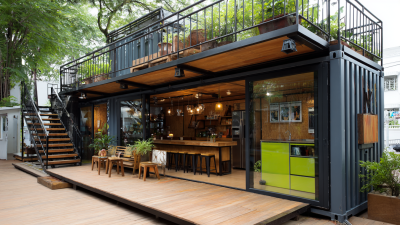
Shipping containers are a great solution for retail and office spaces. They are sturdy and can be customized easily. Imagine transforming a container into a trendy coffee shop. It’s compact, and the costs are lower than traditional buildings. You can create a unique atmosphere that attracts customers.
**Tip:** To enhance the look, use large windows. Natural light brings life to the space. You can also use reclaimed materials for furniture. This makes your project eco-friendly.
Consider the layout carefully. A limited space can feel cramped. Create zones within the container. Use furniture that can serve multiple purposes. For example, a table that doubles as a display for products.
**Tip:** Don't overlook storage solutions. Utilizing vertical space can help. Shelving units that climb the walls are ideal. It maximizes space without overwhelming the layout.
Ultimately, think about the customer's experience. A shipping container can create an inviting space, but it requires thoughtful planning. Be careful with the design choices you make. Each decision matters.
Designing Functional and Stylish Shipping Container Workshops and Studios
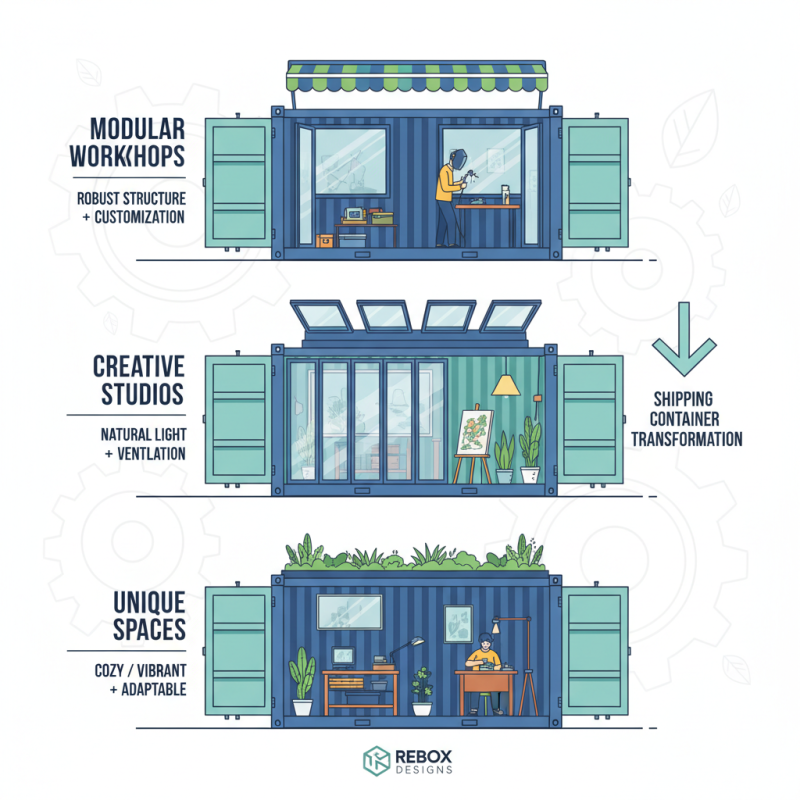
Shipping containers can be transformed into unique workshops and studios. With their robust structure, they offer a blank canvas for creativity. Imagine a space filled with natural light, fresh air, and the sound of tools at work. You can create a cozy workshop or a vibrant art studio with just a few modifications.
When designing your container space, think about insulation and ventilation. Proper insulation keeps the temperature stable. Good airflow prevents humidity buildup. You want a comfortable environment for creativity to thrive. Large windows or skylights can be eye-catching and functional. Natural light brightens your work area.
**Tips**: Use reclaimed materials for shelves or countertops. This adds character and sustainability. Consider soundproofing if noise is a concern. It may seem complex, but a little research can lead to a stunning result. Remember, balancing style with functionality is key. Embrace the imperfections; they often tell the best stories. Each dent and scratch can add a historical touch to your workspace.