10 Essential Tips for Shipping Container Office Setup for Success
Setting up a shipping container office can be an exciting yet challenging venture. With the right approach, you can create a functional workspace that meets your needs. Many people have tried this concept, yet not all have succeeded. The key lies in careful planning and execution.
Consider your location carefully. Ensure you have access to essential utilities like electricity and water. A poorly chosen site can cause issues down the line. Additionally, think about the interior layout. Designing a space that fosters productivity is essential. It can be easy to overlook ergonomics, but comfort matters.
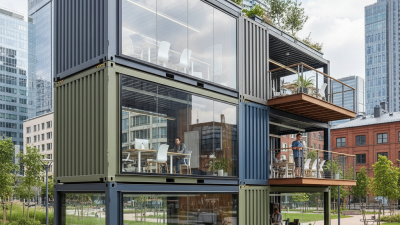
Don't forget about aesthetics. A shipping container office can be both practical and appealing. It’s important to choose colors and décor that inspire creativity. While you might have a vision, be prepared to adapt. Obstacles will arise. You must reflect and adjust your plans as needed to ensure long-term success.
Understanding the Benefits of Shipping Container Offices
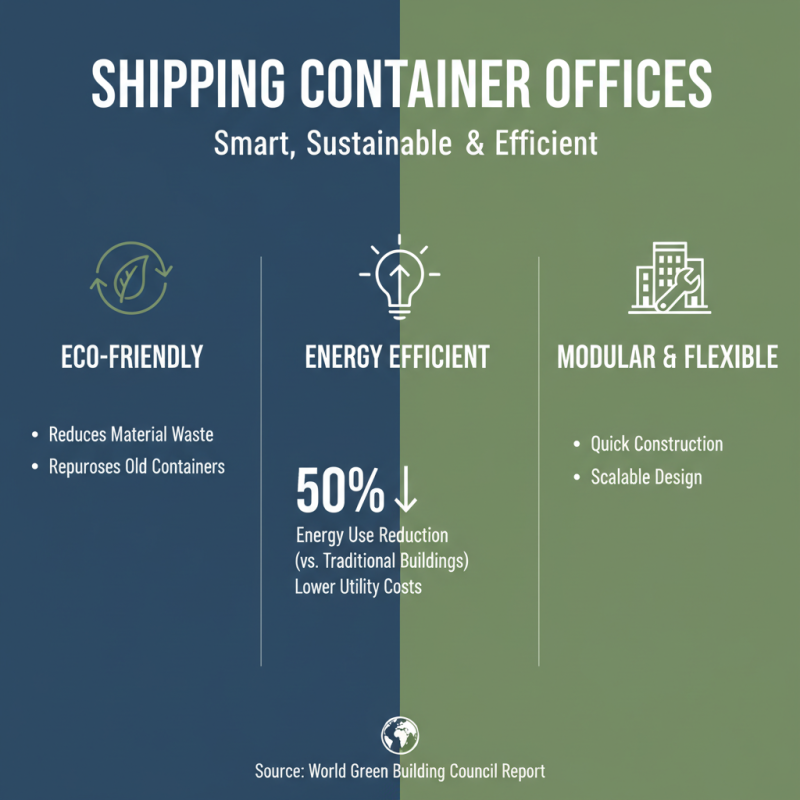
Shipping container offices are becoming increasingly popular. They offer numerous benefits that traditional offices may not provide. According to a report by the World Green Building Council, eco-friendly buildings can reduce energy use by up to 50%. Shipping containers are a sustainable choice. They repurpose materials that would otherwise rust in a junkyard.
One notable advantage is their cost-effectiveness. A study conducted by the Container Shipping Association reveals that shipping container modifications can cost 30-50% less than conventional office construction. However, lack of experience in design can lead to mistakes. Poor insulation could result in uncomfortable temperatures. This could necessitate additional expenses for heating or cooling solutions.
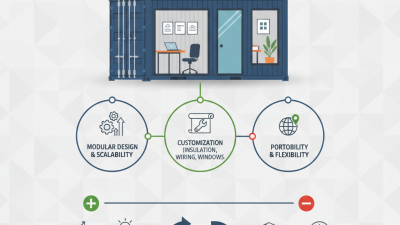
Flexibility is another key benefit. Shipping containers can be easily customized and relocated, fitting various needs. This adaptability makes them ideal for start-ups and temporary projects. Yet, it's essential to consider local zoning laws and codes. Failure to do so can result in delays or fines. Therefore, research is important. Balancing these aspects is crucial for creating an efficient container office setup.
Choosing the Right Shipping Container for Your Office Needs
When choosing a shipping container for your office, size matters immensely. Industries report that most small businesses prefer a container around 40 feet long, providing 320 square feet of space. This size accommodates essential office furniture and equipment while allowing room for movement. However, opting for larger sizes may lead to higher costs and inefficient use of space.
In terms of condition, new containers are expensive, while used containers pose risks. According to industry data, nearly 30% of used containers show wear and tear. Always inspect the container for integrity. Thorough checks can save future costs associated with repairs.
Another critical aspect is insulation. In various climates, temperature control is vital for comfort and productivity. A well-insulated container can reduce energy costs by up to 20%. Skimping on insulation could lead to uncomfortable working conditions, affecting staff efficiency. Consider local climate conditions and choose accordingly. Planning for natural light is equally important; without it, your space could feel cramped and uninviting. Optimize your container choice by utilizing windows or skylights, enhancing mood and morale.
Shipping Container Office Setup: Key Factors for Success
Essential Utilities and Services for a Functional Container Office
When setting up a shipping container office, essential utilities and services are crucial. Proper electrification, plumbing, and internet connectivity can transform the container into a fully functional workspace. According to industry reports, nearly 80% of container offices fail to meet basic utility needs effectively. Ensuring reliable electricity supply is vital for powering devices and lighting. Installing energy-efficient systems might save costs in the long run.
Moreover, incorporating high-speed internet is non-negotiable. A recent survey noted that 70% of businesses experience productivity losses due to inadequate internet access. It’s surprising how many overlook this essential service. Alongside this, consider basic plumbing setups for restrooms and kitchens. These need to comply with local codes, which can lead to unexpected challenges.
Natural light can greatly enhance the workspace atmosphere. Many projects overlook window installations, negatively impacting employee morale. While aesthetics matter, functionality should come first. Container offices often lack ventilation. It’s important to balance airflow and temperature controls. A poorly ventilated office can lead to discomfort and reduced productivity. Investing in proper utilities ensures not only comfort but also fosters a thriving work environment.
10 Essential Tips for Shipping Container Office Setup for Success
| Tip Number |
Tip Description |
Essential Utilities |
Recommended Services |
| 1 |
Choose the Right Location |
Ventilation, Natural Light |
Site Assessment Services |
| 2 |
Insulation and Climate Control |
Insulation Materials, HVAC |
HVAC Installation Services |
| 3 |
Design for Functionality |
Ergonomic Furniture, Meets Codes |
Interior Design Consultations |
| 4 |
Electrical Setup |
Wiring, Outlets |
Electrical Engineering Services |
| 5 |
Plumbing Needs |
Water Supply, Drainage |
Plumbing Services |
| 6 |
Networking Solution |
Internet Connectivity |
IT Support Services |
| 7 |
Safety Measures |
Fire Exits, Safety Gear |
Safety Training Services |
| 8 |
Aesthetic Improvements |
Color Schemes, Décor |
Interior Decorating Services |
| 9 |
Space Optimization |
Multipurpose Furniture |
Space Planning Services |
| 10 |
Regular Maintenance |
Inspections, Repairs |
Maintenance Services |
Design and Layout Considerations for Maximum Productivity
Creating a productive container office requires thoughtful design and layout. The arrangement of furniture, access to natural light, and workflow patterns are crucial. Arrange desks to face windows if possible. This invites natural light and can uplift the space. Yet, find balance. Too much sunlight may cause glare and distraction.
Incorporate designated areas for collaboration. Use modular furniture to allow flexibility. Choose comfortable seating that encourages spontaneous meetings. However, beware of overcrowding these spaces. A cramped area can limit creativity. It can feel stifling rather than inviting.
Don’t forget about technology needs. Provide adequate power outlets and charging stations throughout. Plan your setup around your tech usage. Consider cable management to prevent clutter. An organized space can greatly enhance focus. But be ready to adapt if the initial setup doesn’t work. Reflect on what hinders productivity, and don’t hesitate to make changes.
Tips for Compliance with Local Regulations and Building Codes
Setting up a shipping container office can be an exciting venture. However, compliance with local regulations and building codes is critical. Data shows that about 40% of shipping container projects face delays due to non-compliance. Understanding your local laws is essential for a smooth setup. Each municipality has its own zoning codes. Failure to adhere can lead to hefty fines or project abandonment.
A professional survey is often necessary. This helps determine if your site is suitable for a container structure. Many areas have specific requirements on foundation types and drainage systems. Reports indicate that nearly 30% of projects are delayed because of inadequate site preparation. Check your local building department for guidelines. They can provide clarity and specific codes.
Additionally, energy efficiency is becoming a priority. Many regions require designs that meet eco-friendly standards. This can include proper insulation and energy-efficient windows. Ignoring these regulations can hinder your project. Remember, a well-planned approach to compliance can prevent costly mistakes. Planning meticulously can save time and resources.