Gooseneck Trailer Tips for Safe and Efficient Towing?
When towing a Gooseneck Trailer, safety and efficiency are paramount. This type of trailer, known for its stability, has unique requirements. Understanding these can make a significant difference.
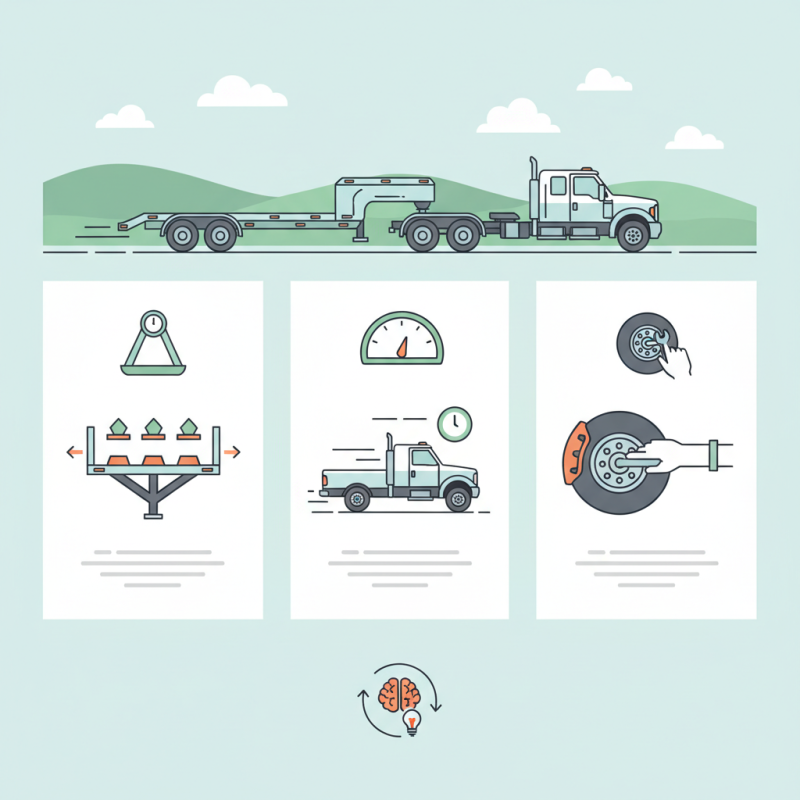
The weight distribution on a Gooseneck Trailer can be tricky. Proper hitching ensures that weight is balanced. Achieving this balance can be challenging at times. It requires careful attention to loading practices.
Moreover, maintaining the right speed is crucial. Too fast and you risk losing control. Too slow can strain your vehicle. Regular checks on the trailer's tires and brakes are vital. Neglecting these aspects can lead to hazards on the road. Ultimately, experience plays a key role. Learning from each towing experience enhances future loads.
Understanding Gooseneck Trailers: Features and Benefits
Gooseneck trailers are popular for their unique design. Unlike conventional trailers, they attach to a hitch in the bed of a truck. This setup provides better stability and easier maneuverability. Many farmers and contractors favor gooseneck trailers for transporting heavy loads. They often carry bulky equipment or livestock, making them versatile for various applications.
One key feature of gooseneck trailers is their weight distribution. They improve balance, reducing sway during travel. This can be especially important when navigating tight turns or uneven terrain. However, not everyone feels comfortable towing such trailers. It requires practice and understanding of the vehicle’s dynamics. Some beginners struggle with backing up. It can be frustrating but is a skill worth mastering for safety.
Another benefit is the increased cargo space. Gooseneck trailers typically offer higher payload capacities than bumper-pull trailers. This allows for bigger loads, which is crucial for many users. Still, users need to be aware of local towing regulations. Safety should be a priority, and underestimating the weight can lead to accidents. Regular maintenance is essential, too. Checking the hitch and brakes regularly ensures safe operation.
Essential Equipment for Safe Gooseneck Towing
Towing a gooseneck trailer requires careful preparation and the right equipment. A reliable hitch is critical for stability. Ensure your gooseneck hitch is properly installed and rated for your load. Regular inspections help avoid potential issues before they develop.
Using safety chains is essential. They provide extra security if the hitch fails. Always cross the chains under the tongue of the trailer. This helps catch the trailer if it comes loose.
Don't forget about weight distribution. Overloading is a common mistake. Each trailer has a weight limit; respect it. Ensure your vehicle can handle the combined weight of the trailer and its load. This will improve handling and braking.
Invest in quality tires. Ensure they are properly inflated and have adequate tread. Flat tires can lead to dangerous situations. Regularly check them for wear and tear. Your safety is paramount while towing.
Pre-Towing Inspections: Key Steps for Safety
Before hitting the road with your gooseneck trailer, conducting thorough pre-towing inspections is essential for safety. Start by checking the trailer lights. Are they functioning properly? Faulty lights can lead to misunderstandings with other drivers. It’s crucial to test both brake lights and turn signals. A simple checklist can help ensure you don’t miss anything.
Next, examine the hitch connection. Is it secure? Loose connections can be disastrous. Make sure the safety chains are intact and crossed under the coupling for added security. Afterward, inspect tire pressure and tread depth. Tires often get overlooked, yet they are vital for a safe journey. Ensure they are inflated to the recommended levels.
Don't forget to check the load distribution. An unbalanced load can make steering difficult. Are you within weight limits? A heavy load can put extra stress on your vehicle. Reflect on these elements before departure. Taking extra time now can prevent costly mistakes and ensure road safety.
Gooseneck Trailer Tips for Safe and Efficient Towing - Pre-Towing Inspections: Key Steps for Safety
| Inspection Item | Details | Frequency | Importance Level |
| Tire Condition | Check for proper inflation, tread depth, and signs of wear. | Before each use | High |
| Brakes | Ensure brakes are functioning properly; check for wear and fluid levels. | Weekly | Critical |
| Lights | Inspect all trailer lights for functionality including turn signals and brakes. | Before each trip | High |
| Hitch Connection | Check that the hitch and safety chains are securely attached. | Before each trip | Critical |
| Load Distribution | Ensure load is evenly distributed to prevent sway. | Before each trip | High |
Best Practices for Maneuvering and Parking Gooseneck Trailers
Maneuvering and parking a gooseneck trailer can be challenging. A study by the National Institute for Occupational Safety and Health (NIOSH) shows that improper maneuvering leads to accidents. The key is to practice in open spaces with plenty of room. Start with simple maneuvers before progressing to tight spots.
When backing up with a gooseneck trailer, turn the steering wheel in the opposite direction of your desired path. This method helps you control the trailer better. Use spotters when possible, especially in unfamiliar areas. Always keep an eye on your surroundings to avoid obstacles.
Parking a gooseneck trailer requires careful consideration. Ensure you are on level ground to prevent rolling. Use wheel chocks for added stability. According to the US Department of Transportation, a significant percentage of trailer accidents occur during parking. This statistic stresses the importance of slow, deliberate movements. If you feel uneasy, don’t hesitate to reposition your vehicle. It's better to take your time than to rush.
Common Mistakes to Avoid When Towing Gooseneck Trailers
When towing gooseneck trailers, many drivers make common mistakes. One critical error is not checking the weight distribution. An uneven load can lead to swaying, making the tow unsafe. Always ensure that the trailer is evenly loaded before hitting the road.
Another frequent mistake is neglecting tire pressure. Under-inflated tires can overheat and blow out on long trips. Check the trailer’s tires regularly. It's easy to overlook this detail. A simple gauge can save you from a potential disaster.
Take time to practice maneuvering your setup. Many drivers underestimate the turning radius. Tight turns can cause significant issues. Finally, don’t forget to inspect your hitch. A loose connection can lead to a catastrophic failure. Always double-check everything. Safety should never be an afterthought.